Fluoride In Water
What Are the Fluoride Levels in Houston’s Water?
The City of Houston’s public water systems, including those serving Harris County, follow federal standards established by the Environmental Protection Agency (EPA) and guidelines recommended by the Centers for Disease Control and Prevention (CDC). As of the Houston Public Work’s water quality report of 2023, the fluoride level in Houston’s drinking water is maintained at approximately 0.13 milligrams per liter (mg/L). Check your utility’s latest water quality report for current levels.
Fluoride in Houston, Texas Water: What You Need to Know
Fluoride is a naturally occurring mineral commonly added to public drinking water systems across the United States to help reduce tooth decay. In Houston, Texas, residents often wonder about the fluoride level in their local water supply, the benefits and risks associated with fluoride in drinking water, and how it may affect their health and daily lives. Let’s break it all down.
How Culligan of Houston Can Help
At Culligan of Houston, we understand that clean, safe drinking water is essential. If you’re looking to reduce fluoride in your water, address harmful contaminants, or simply want better-tasting, filtered water, we have solutions that fit your needs. From Reverse Osmosis systems to Whole-House Filtration Systems, our advanced water treatment technologies can help provide peace of mind.
Solutions
Suggested Products
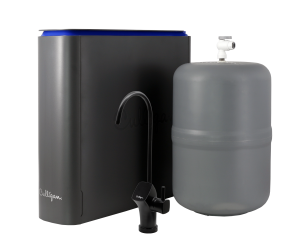
The Aquasential® Smart Reverse Osmosis Water Filter (RO)
- 7 stages of filtration and 12 filter options
- Certified for reduction of 58 contaminants
- 2-in-1 sediment and carbon filter screens out sediment and particles
- Can alert you and your dealer when service or filter replacements are needed
Benefits of Fluoride in Drinking Water
Community water fluoridation has been recognized for its dental health benefits, particularly in preventing tooth decay and dental cavities. When consumed at recommended levels, fluoride:
- Strengthens tooth enamel and makes it more resistant to decay.
- Reduces cavities by about 25% in children and adults, according to the CDC.
- Supports oral health for communities, especially those without regular access to dental care.
- Meets the American drinking water standards for health benefits related to tooth decay prevention.
Potential Risks of Fluoride in Drinking Water
While fluoride in water supplies is generally considered safe and effective, some potential risks are associated with long-term exposure to elevated levels of fluoride or other contaminants, including:
- Dental Fluorosis: Mild dental fluorosis may occur in children during tooth development, resulting in faint white spots or streaks on the teeth. This is typically a cosmetic issue that doesn’t impact dental function.
- Skeletal Fluorosis: Long-term exposure to excessively high fluoride levels can lead to bone and joint problems, though this condition is rare and generally occurs only when fluoride levels significantly exceed the EPA’s recommendations.
- Other Health Effects: The EPA’s enforceable limit for fluoride is 4.0 mg/L, and the 2024 National Toxicology Program review linked fluoride exposure above 1.5 mg/L to lower IQ in children. If you have health questions, talk to your doctor or dentist.
Is Fluoride in Houston’s Water Safe?
For most residents, fluoride levels in Houston’s water supply are within the EPA’s safe and recommended range. However, those who prefer to avoid fluoride altogether or are concerned about exposure to fluoride or other contaminants can choose to install filtration systems like Reverse Osmosis (RO). Additionally, concerns about coliform bacteria, harmful bacteria, or other drinking water contaminants can be addressed with comprehensive water treatment solutions.
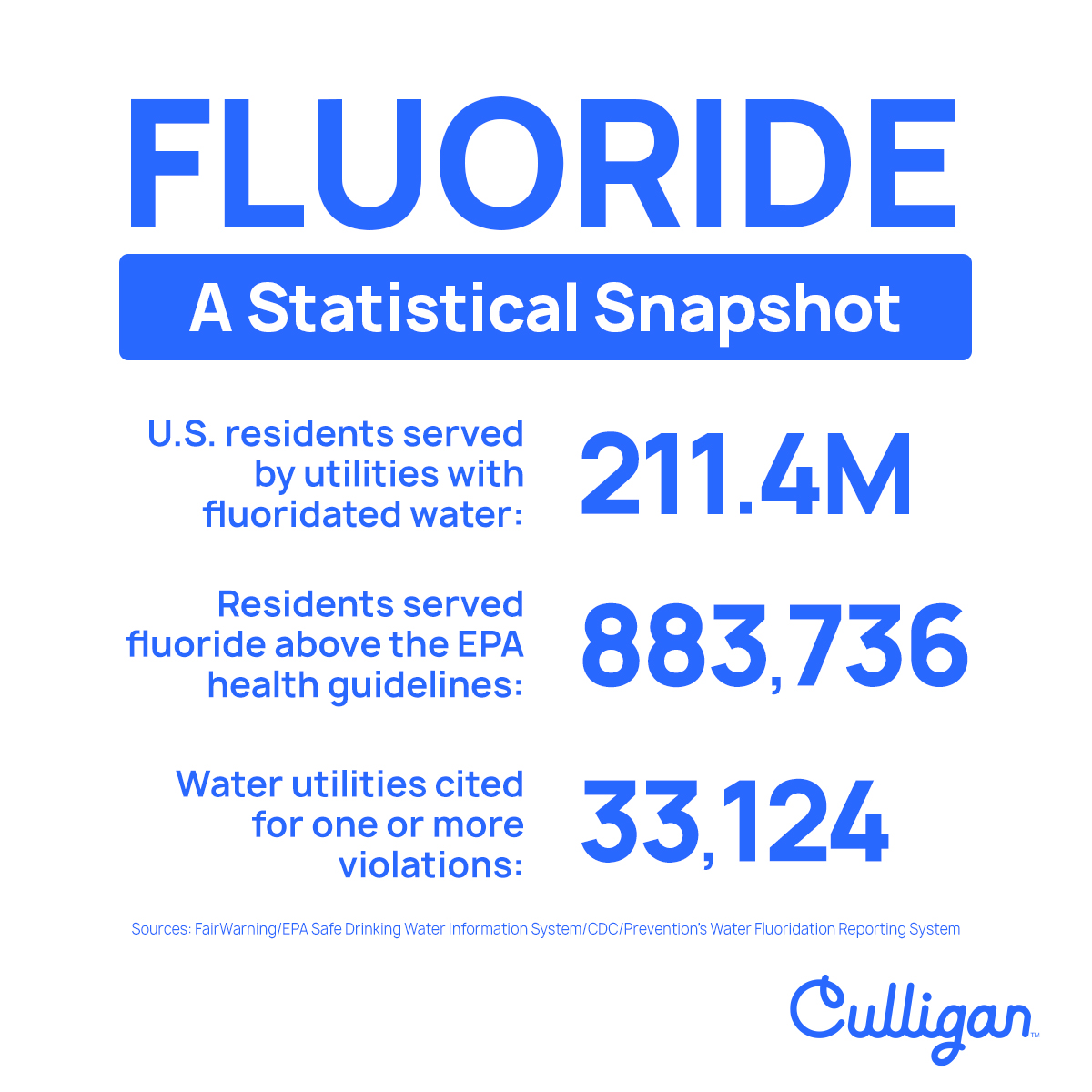
Fluoride In Tap Water: The Basics
After the link was found between its impact on dental health, fluoride made its first appearance in water supplies in Grand Rapids, Michigan in 1945 by a process called fluoridation. This involves adding fluoride to a municipal water supply at anywhere between 0.7 and 1.2 ppm (the historical range). Since 2015, the U.S. Public Health Service has recommended 0.7 ppm (0.7 mg/L).
Fluoridation is also debated. In 2024, the National Toxicology Program concluded with moderate confidence that higher fluoride exposure, such as drinking water above 1.5 mg/L, is associated with lower IQ in children. It found insufficient data to determine whether the 0.7 mg/L level used in U.S. community water affects children’s IQ. If you have health questions, talk to your doctor or dentist.
Does Culligan Water Have Fluoride?
Generally, Culligan Water does not have fluoride, if the reference of Culligan Water is being used in the context of filtered drinking water from one of its bottled water systems, water dispensers, or home water filter systems and your water is from a municipal source containing fluoride.
Do Water Softeners Remove Fluoride?
Water softeners, primarily designed to remove hardness-causing minerals like calcium and magnesium from water, do not typically remove fluoride. The process used in most water softeners is ion exchange, where hard minerals are swapped with sodium or potassium ions. Fluoride, however, is not targeted in this process and remains largely unaffected.

Facebook